Sprinkler spots on your windows? Here is what actually removes them
Those white dots are minerals, not dirt. Why vinegar only goes so far, and when glass needs professional restoration.
What those white spots really are
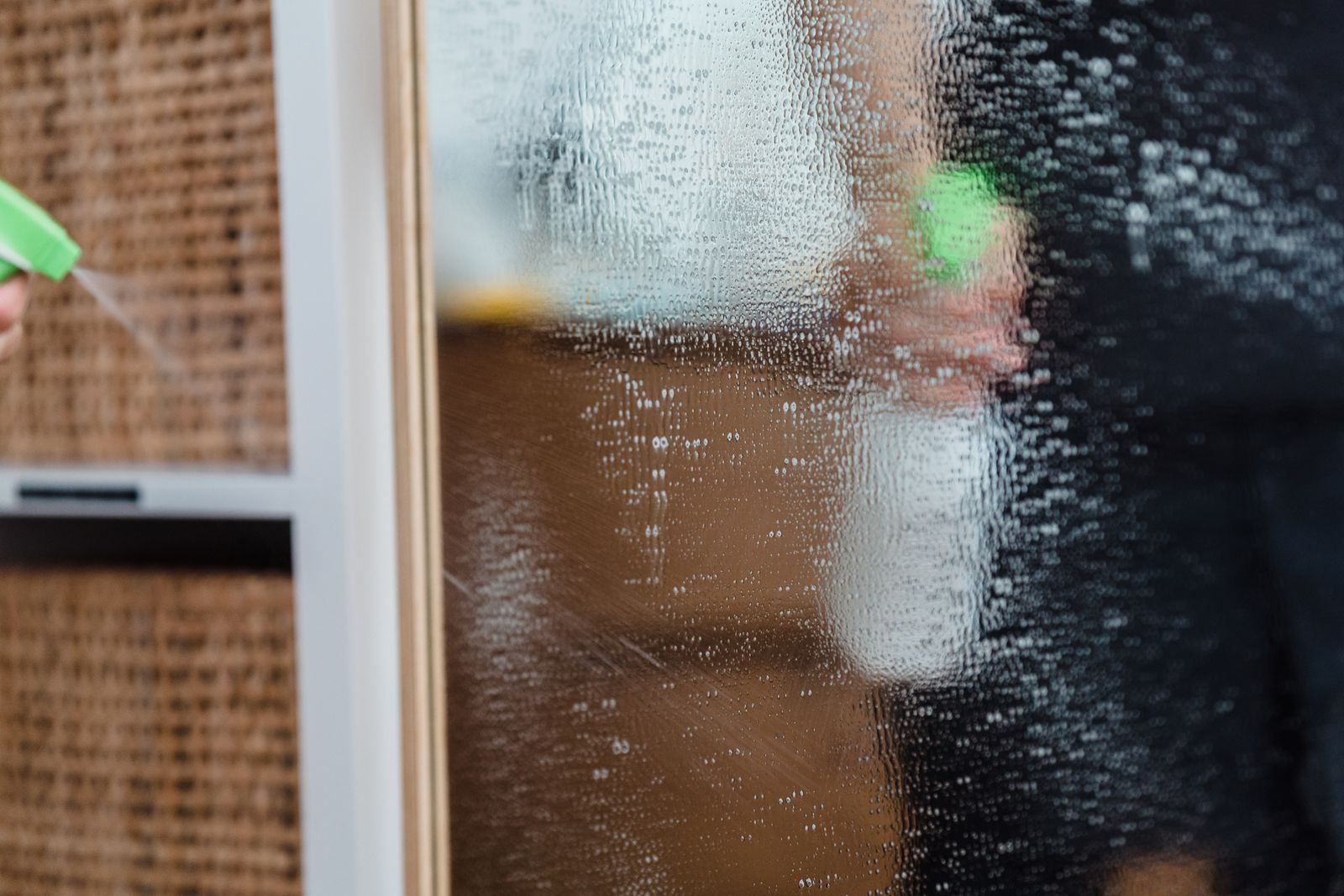
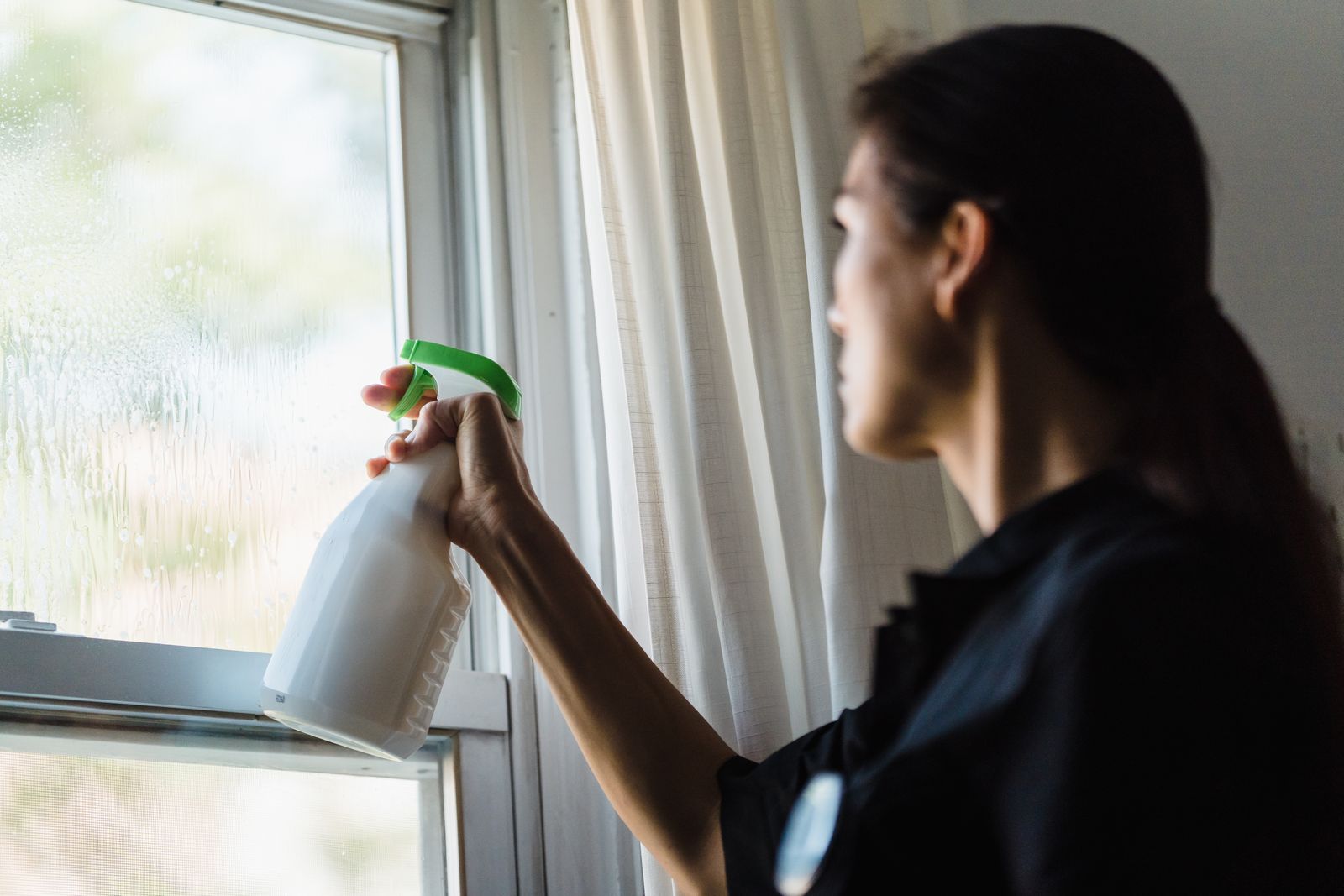
If the lower half of your windows is covered in cloudy white dots that do not budge with glass cleaner, you are looking at hard water deposits. Every time a sprinkler hits your glass, the water evaporates and leaves behind calcium, magnesium and silica. Sacramento area water ranges from moderately hard to very hard depending on the source, and well water in parts of Davis and Elk Grove is especially mineral-heavy.
One morning of spray does not do much. A summer of daily watering stacks thousands of thin mineral layers on top of each other, and the hot sun bakes them on. That is why these spots show up worst on west and south-facing glass near lawns.
Why regular cleaning does not work
Standard glass cleaners are designed to lift oils, dust and fingerprints. They are not designed to dissolve minerals. You can scrub for an hour and the glass will look clean while wet, then the spots reappear as soon as it dries.
Worse, scrubbing with abrasive pads or kitchen scrubbers can scratch the glass, especially if there is grit trapped under the pad. Razor blades are a common DIY trick, but they can permanently scratch tempered glass, which is required in sliding doors and windows near floors and bathtubs.
What you can try at home
For light, recent spotting, a gentle acid can dissolve the minerals. Here is a safe approach:
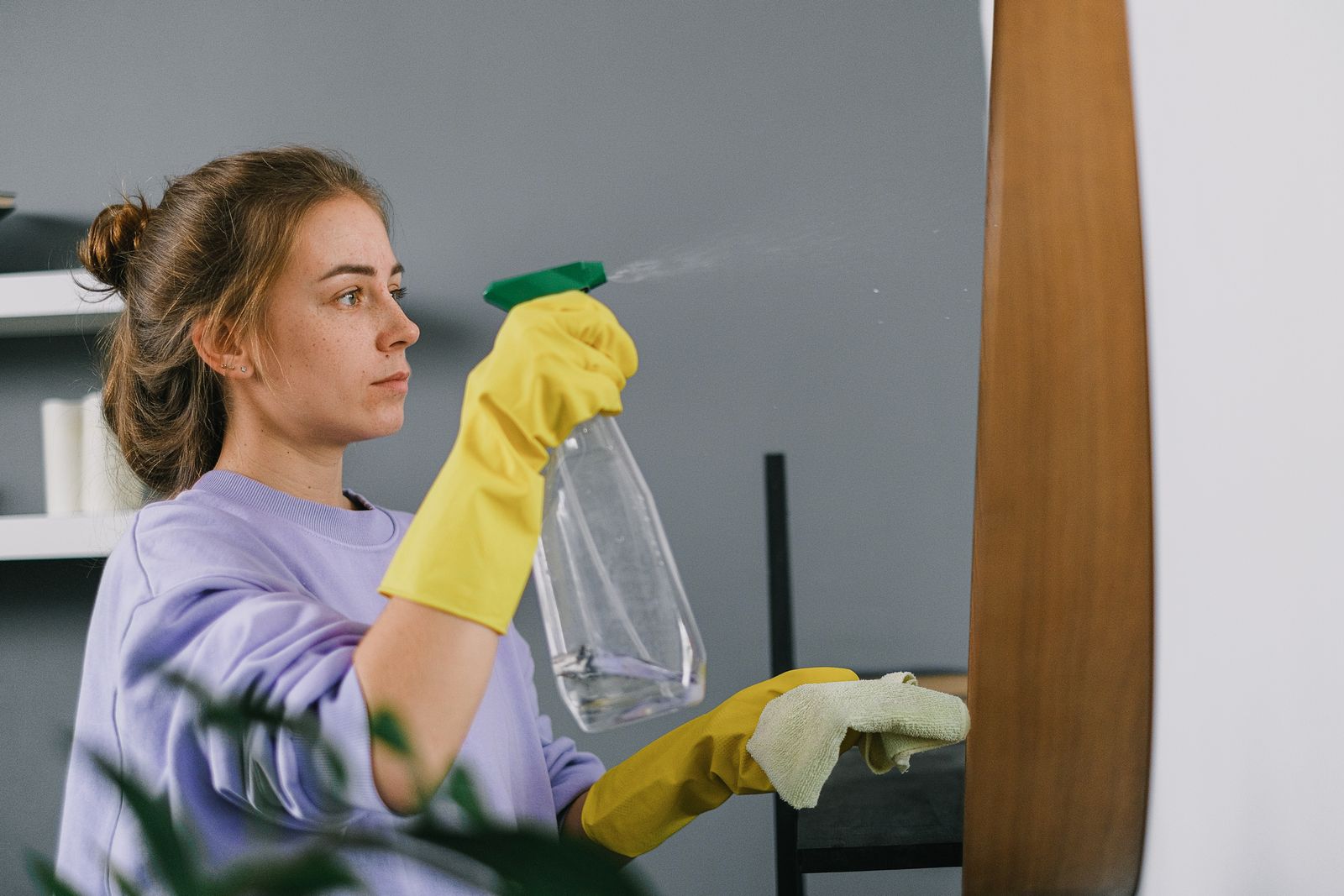
- Mix equal parts white vinegar and warm distilled water in a spray bottle.
- Work in the shade, never on hot glass in direct sun.
- Spray a small section, let it sit for 3 to 5 minutes and keep it wet.
- Wipe with a soft microfiber cloth, then rinse with distilled water.
- Dry with a clean squeegee or lint-free towel.
- Protect wood frames, stucco and plants, since acid can mark them.
When it is time for professional restoration
If vinegar makes no visible difference after two tries, the deposits have likely built up over several seasons. At that point the minerals may have started to etch into the glass surface. You will notice the glass feels rough when you run a fingertip across it, and the haze looks uneven even when wet.
Professional hard water removal uses glass-safe mineral dissolvers that are much stronger than household vinegar, combined with non-scratch polishing pads matched to the severity. We always start with a test patch in a corner so you can see what is achievable before committing to the whole window.
Can etched glass be saved?
Mild etching often improves dramatically with polishing, and many clients cannot tell the difference afterwards. Deep etching, where minerals have pitted the glass over many years, may only partially improve. In those cases restoration is still usually far cheaper than replacing a dual-pane unit, which can run several hundred dollars per window in Sacramento.
Stopping spots from coming back
Removing the spots is only half the job. To keep glass clear longer:
- Adjust or replace sprinkler heads so the spray pattern stops short of the house.
- Switch planting beds next to windows to drip irrigation.
- Water in the early morning so glass is not hot when it gets wet.
- Apply a hydrophobic glass sealant so water beads and rolls off.
- Book a light exterior clean every fall before minerals have time to bond.
The bottom line
Sprinkler spots are one of the most common problems we see around Sacramento, and they are very fixable when caught early. If a DIY vinegar clean does not work, do not reach for a razor or steel wool. Ask for a free estimate with a photo of the glass, and we will tell you honestly whether it needs restoration or just a regular clean.
Send a few photos and get a confirmed price within one business day.